
Inside The Stock Market ...trends, cross-currents, and outlook
Commodity Bears (i.e., Everyone) Should Read This

The commodity “oversupply” story remains intact, with high levels of capital spending in the Energy and Materials sectors persisting, despite the 3 1/2-year downtrend in commodity prices.
A New Look At Frontier Market Risks
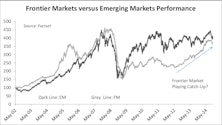
In light of strong performance, we revisit this topic that we last wrote about in April.
Electronic Payment Industry: The Mobile Pay Players
On October 20th, Apple Pay was officially launched in the U.S. with great fanfare. Since the launch, we’ve heard a lot of buzz words such as “disruptive,” and “transformation,” and then “million users signed up within the first three days.” Amid this enthusiasm came the bad news that some retailers, including Rite Aid and CVS, disabled Apple Pay at their POS’ and reports broke that a retailer consortium was developing a rival payment system.
Time For Defense

After two months in neutral territory, the Major Trend Index finally broke to negative for the week ended October 3rd, with a decline to the 0.90 level.
Equal Opportunity?
While the Major Trend Index, at 0.90, is now in its negative zone, it’s not as if all the traditional bearish bellwethers have lined up in a row (… then again, they never do).
“Averages” Conceal Plight Of The Average Stock

September’s small S&P 500 loss of less than 2% disguised a significant breakdown in the “average stock.” In fact, the S&P 500 has been tougher to beat than at any time since the Tech Bubble.
Breaking Bad
While we’ve noted that damage to any capitalization-weighted stock market measure has so far been limited, three of the five major indexes shown in this chart have nonetheless broken below the major trendlines drawn off their 2009 bear market lows.
Sectors: Where To Hide?

Much like the blue-chip indexes themselves, the cap-weighted S&P 500 sector indexes generally resisted the market mayhem erupting beneath the surface in September.

Cycles: Bearish Window Closing, Another Opening...

We wrote in May the mid-year months of a mid-term election year are historically the weakest for the stock market from a calendar perspective. Large Caps, however, have mostly bucked that pattern.
Small Cap Leverage—A Concern?

With the Fed mulling over a rate increase, investors may have already started to avoid companies with excess leverage. Unfortunately, Small Caps, on average, are in this camp.
Quality Stock Rankings: High Quality Fared Better In Q3

During a tumultuous Q3, High Quality stocks proved to be resilient, losing only 2.0% compared to Low Quality stocks’ 7.5% loss in Q3. Low Quality stocks’ prior momentum seems to have broken down, especially in September when they slid by 7.1% for the month.
The Evolving State Of India’s Energy Sector Price Reform
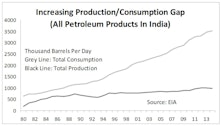
In the August book we published an article about the Indian equity market and proposed that investing in India is now more of a macro bet. The honeymoon—during which time Indian stocks were bid up from high hopes that the new government would reinvigorate the economy—is over.
Elevated Short-Term Risks
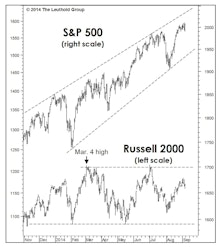
The S&P 500 and NASDAQ Composite moved to new bull market highs in early September, but our quantitative work continues to warn there’s a least a short-term speed bump ahead for the stock market.
Market Breadth And Leadership
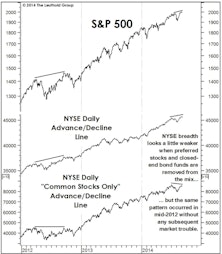
While the lagging action of Small Caps should be monitored, persistent strength in most stock market breadth measures makes it difficult to argue the stock market has entered a true “distribution” phase.
Stock Market Valuation Check
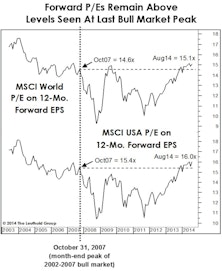
Stocks might look superficially cheap relative to bond yields, but they continue to offer little appeal in an “absolute” valuation sense.
Why We Think Tapering Is Tightening
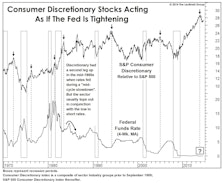
We believe the first move toward tighter policy occurred in January when the Fed first reduced the rate of its monthly bond purchases by $10 billion to $75 billion.
Premature Inflation Fears
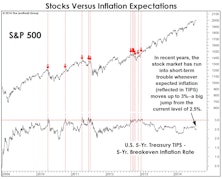
With commodity prices falling in recent months and consumer prices in the Eurozone almost flat over the latest 12 months, we’re surprised that inflation fears continue to climb the list of U.S. investor worries.
Share Buybacks: They’re Not For Everyone...
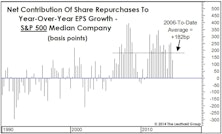
Share repurchase activity in the S&P 500 dropped off in the second quarter, after first quarter buybacks challenged the all-time high levels seen in the second and third quarters of 2007 (a window of history that should ring a bell).
The Bond Bull And The Dollar
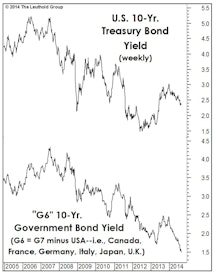
Surging bond prices in Europe have opened a yield gap with the U.S. This premium favors more dollar strength in the coming months. In equity markets, the short term volatility in the dollar is a mildly bearish signal.
 Subscribe to Advisor Newsletter